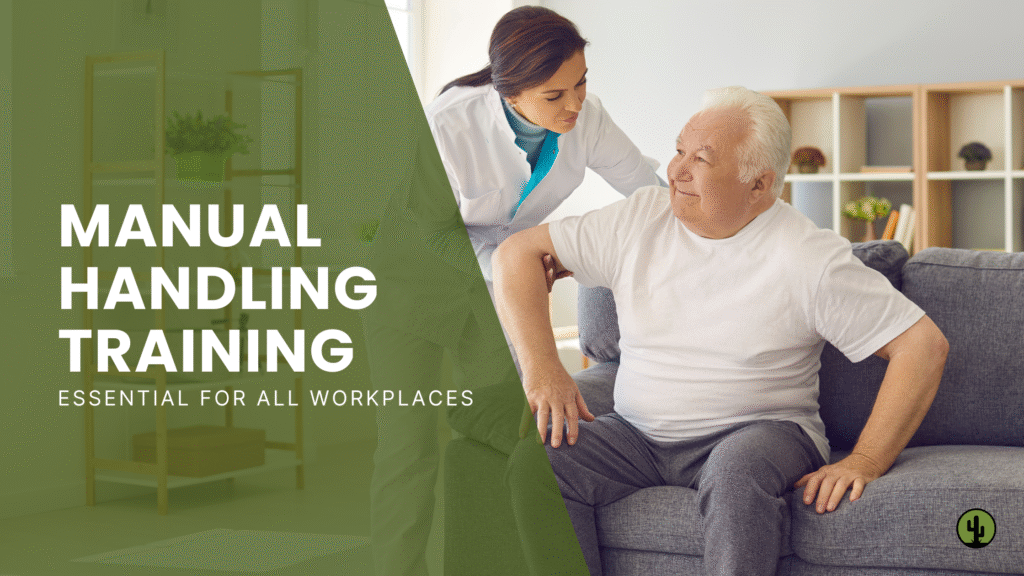
Working in health and social care is incredibly rewarding, but it can also be physically demanding. Every day, care workers help patients, move equipment, and support people with mobility challenges. Without the right techniques, even routine tasks can lead to injuries.
That’s why learning proper manual handling is crucial. Whether you’re just starting as a care assistant or have years of experience, understanding how to lift, move, or reposition safely protects both you and those you care for.
What is manual handling?
Manual handling covers any activity where you lift, lower, push, pull, carry, or move a person or object using your body. In a care setting, this might include:
-
Assisting patients to stand or move
-
Repositioning someone in bed or in a wheelchair
-
Moving equipment like oxygen tanks or medical supplies
-
Lifting boxes of care resources or stock
Even small, repetitive tasks can cause injuries if done incorrectly. That’s why proper manual handling training for carers is so important, it keeps staff safe, confident, and ready to provide quality care.
Why is training important in health and social care?
1. Protects staff and patients
Proper training teaches safe techniques, helping prevent back injuries, strains, and other musculoskeletal issues.
2. Supports regulatory compliance
Care providers must follow health and safety guidelines. Training shows your commitment to a safe workplace and keeps your service compliant.
3. Boosts confidence and performance
Staff who know the correct techniques can focus on providing quality care rather than worrying about injury.
4. Reduces absenteeism and costs
Fewer injuries mean fewer days off work and lower operational disruption.
Who should take manual handling training?
Anyone who assists patients, moves equipment, or handles materials should be trained. This includes care assistants, support workers, healthcare assistants in hospitals, and staff in residential homes or community care. Even occasional lifting in an office or storage area benefits from a refresher.
How often should training be refreshed?
It’s recommended to refresh manual handling training every one to three years, or sooner if your job responsibilities change, new equipment is introduced, or procedures are updated. Keeping up to date ensures ongoing safety and compliance.
How London Cactus College can help
At London Cactus College, we provide flexible manual handling training online tailored for the health and social care sector. Our courses are practical, accessible from anywhere in the UK, and designed to prepare your team for real-life care scenarios.
We also offer full Care Worker Induction Training, aligned with CQC requirements and Skills for Care standards, so your staff are confident, competent, and compliant from day one. Additionally, we provide free or funded accredited courses to help your team upskill while staying on top of regulatory standards.
Final thoughts
Manual handling is essential in health and social care. Proper training protects staff, enhances patient safety, and ensures your service meets regulations.
Investing in online training and full induction courses shows that you value your team and the people in your care. The right skills can make all the difference between a safe, confident care environment and one where accidents could happen.
If you’re interested in learning more about starting a career in this sector, check out our guide on how to start a career in health and social care in the UK for practical steps and insights.