

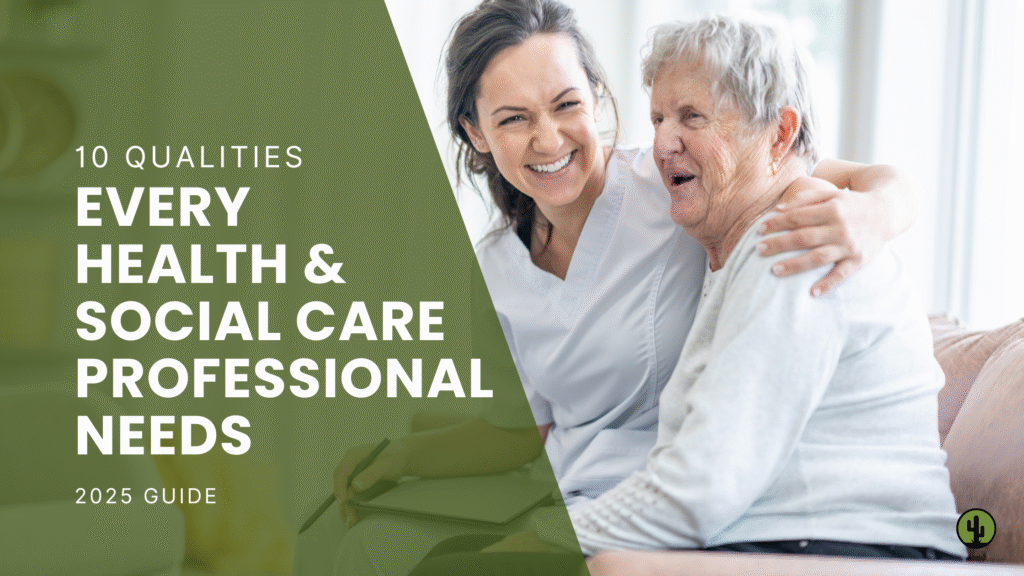
Working in health and social care is a rewarding job, but it can also be challenging. Whether you’re supporting older adults, assisting people with disabilities, or offering emotional support, this career demands more than technical skills. It requires empathy, resilience, and a genuine commitment to enhancing lives.
So, what are the essential skills and qualities a health and social care worker needs to succeed?
In this article, we’ll explore the ten most important qualities you’ll need for a successful career in care work and how you can start developing them to make a real difference.
The ability to put yourself in someone else’s shoes is at the heart of care work. You may be supporting someone through pain, loneliness, or life’s everyday challenges. Being empathetic helps you respond with kindness and patience, making people feel seen, heard, and valued.
Tip: Reflect on your own experiences. When did someone’s kindness make a difference in your life?
In health and social care, communication isn’t just about talking—it’s about listening. You’ll often work with people who have difficulty expressing themselves clearly, so being able to understand non-verbal cues or simplify instructions is essential.
You’ll face days that test your limits—whether it’s repeating instructions, handling resistance, or dealing with slow progress. Patience helps you remain calm, focused, and supportive, even under pressure.
This quality grows over time, especially when combined with structured training and real-world experience.
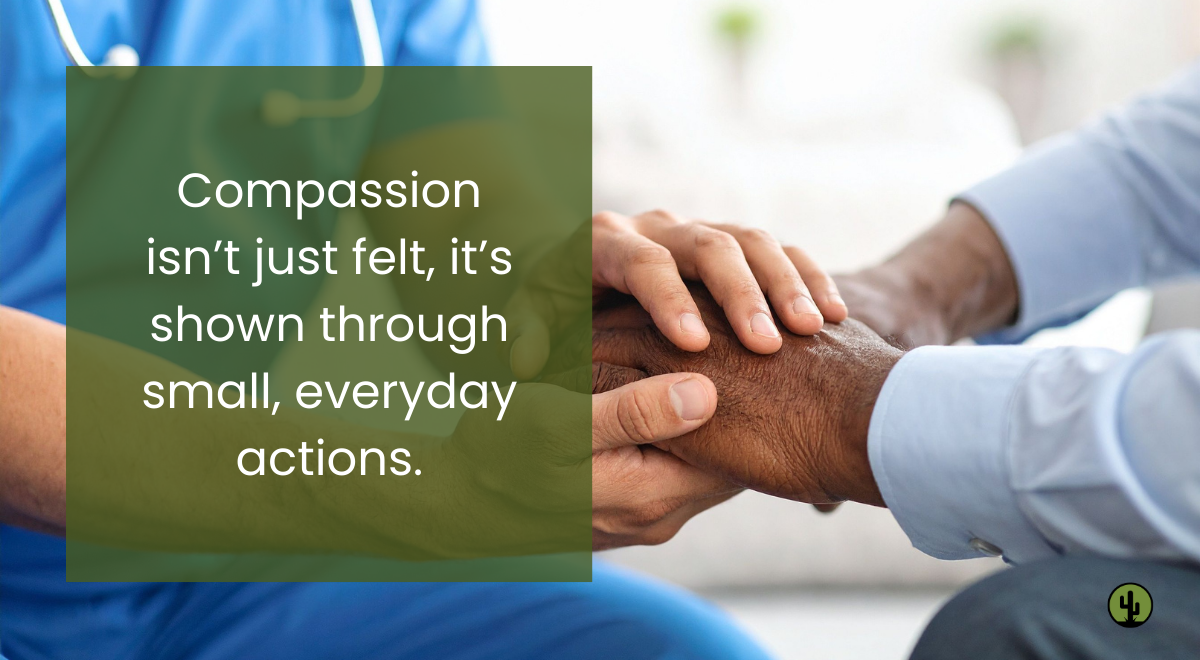
Compassion means noticing someone’s discomfort and wanting to do something about it. It’s what drives good carers to go the extra mile—to hold a hand, share a laugh, or simply sit in silence when needed.
In the care sector, people count on you, sometimes literally for their survival. Being punctual, consistent, and dependable helps build trust with those you support and your team.
Care work may not follow a strict 9 – 5 schedule, but your reliability ensures continuity and comfort for those who rely on routine.
No two days in care are the same. One moment, you’re helping with mobility. The next, you’re preparing meals, offering emotional support, or filling out documentation.
Being adaptable allows you to respond to changing needs with confidence. This is especially true in domiciliary or community care roles.
Even when you’re working one-to-one with clients, you’re still part of a wider network—families, nurses, doctors, social workers. Knowing how to collaborate, communicate, and support your colleagues is vital to delivering good care.
As a carer, you’re often the first to notice changes in someone’s health or behaviour. You also handle sensitive tasks like medication or safeguarding. That’s why understanding your responsibilities—and taking them seriously—is non-negotiable.
If you’re new to this, a safeguarding or care certificate course can help you feel more confident in taking responsibility the right way.
Respect in care means recognising someone’s dignity, choices, and individuality. You might not always agree with how someone wants to live, but it’s your role to support their autonomy.
This also includes respecting cultural, religious, and lifestyle differences in a way that feels safe and inclusive.
The best carers are lifelong learners. They seek out new skills, reflect on their work, and ask questions. Whether it’s updating your training, learning new regulations, or improving your soft skills, growth is a key part of this profession.
Courses like the Level 3 Diploma in Adult Care not only teach core care practices but also encourage this mindset of continuous development.
No one starts out knowing everything. What makes a great care worker is your commitment to showing up, learning, and doing your best for others. The rest can be taught.
So if you’re ready to start or grow your career in care, take the next step with training that supports your goals—and makes a difference in someone else’s life too.