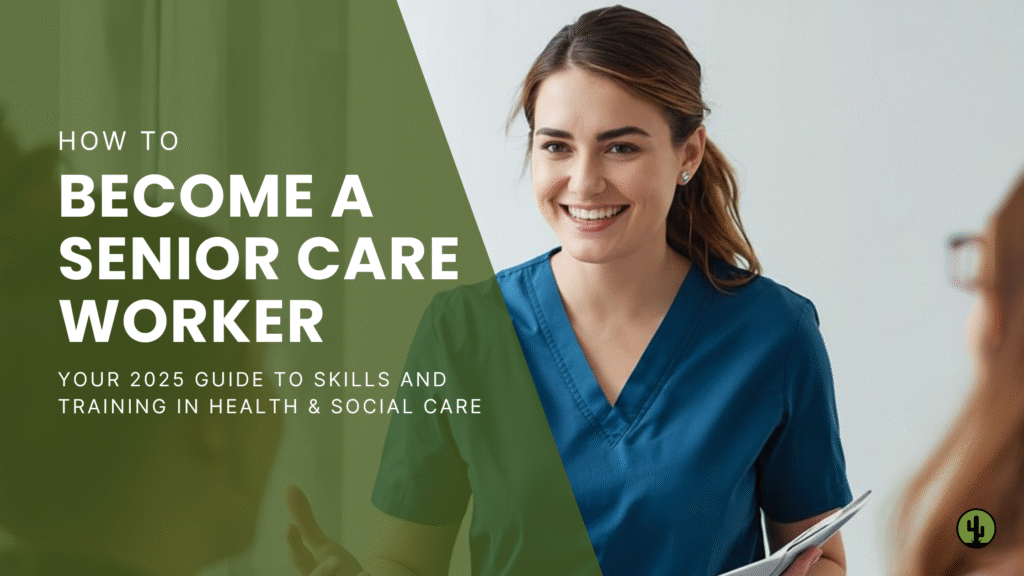
If you want to make a real difference in people’s lives, have a stable career, and maybe even lead a team one day, becoming a senior carer could be the right choice for you. The UK needs senior carers now more than ever. With an ageing population and rising demand for adult care, this role is not just important, it’s essential.
A senior carer (also called a senior care worker) leads a care team while still supporting clients directly.
The good news? You don’t need a traditional route to get started. In this guide, we’ll explore the practical steps, training, and qualifications you need to become a senior care worker, and why this career path is both rewarding and in demand.
What is a Senior Carer?
A senior carer is an experienced care worker who supervises a team, mentors junior staff and oversees care plans, while still providing hands-on support to clients.
A senior care worker plays a key role in the health and social care industry, combining hands-on caregiving with leadership responsibilities. They act as a team leader and mentor, supporting both staff and clients. They supervise care delivery, guide junior care workers, monitor care plans, and ensure everything runs smoothly while maintaining high standards of care.
Senior care workers are essential for maintaining a safe, professional, and compassionate environment. By blending leadership with practical care, they form a critical part of any adult care service.
What Is the Role of a Senior Carer?
The role of a senior carer is to lead day-to-day care delivery. They act as the link between care staff and management, keep standards high, and make sure each client’s care plan is followed.
Why Become a Care Worker Today?
Now is a great time to start a career as a care worker. England’s adult social care workforce has grown to around 1.7 million people, up 4.2% from last year but there are still over 130,000 vacancies. In simple terms, there aren’t enough care workers for the people who need support, so the demand for new carers remains very high.
And that demand isn’t slowing down. By 2040, the sector will need around 540,000 more social care workers. That means thousands of new opportunities for anyone who wants stable work, room to grow, and the chance to help others every day. Joining now means stepping into a valued profession where you can build a meaningful, long-term career in health and social care.
How to Become a Senior Care Worker
The first step to becoming a senior care worker is getting hands-on experience as a care worker. This is where you learn daily care routines, build essential skills, and gain confidence supporting clients.
Once you’ve got that experience, it’s time to level up your qualifications. Most employers look for a Level 3 Diploma in Adult Care or an equivalent. It gives you the knowledge and practical skills to take on senior responsibilities, guide your team, and deliver high-quality care.
Pro tip: work in different care settings whenever you can. The more variety you see, the sharper your skills get, and the better prepared you’ll be to step into a senior role.
What Are the Duties and Responsibilities of a Senior Carer?
As a senior care worker, you supervise care delivery, mentor junior staff, manage care records, and ensure everything runs smoothly. You act as the bridge between your team and management, making sure clients receive consistent, high-quality support.
Typical duties of a senior carer include:
- supervising and supporting care workers on shift
- monitoring and updating care plans and records
- handling medication and safeguarding responsibilities
- training and mentoring new staff
- reporting concerns to the registered manager
What Qualifications Do You Need to Be a Senior Carer?
Most employers expect a Level 3 Diploma in Adult Care (or equivalent) plus hands-on experience as a care worker. If you’re new to care, the Level 2 Adult Social Care Certificate is a common starting point. For management roles, a Level 5 Diploma in Leadership and Management for Adult Care is the next step. Requirements vary by employer.
Skills Required
Key skills include leadership, communication, empathy, problem-solving, and understanding relevant legislation and care standards.
Career Pathway
Most senior care workers start as care workers, gaining hands-on experience before progressing.
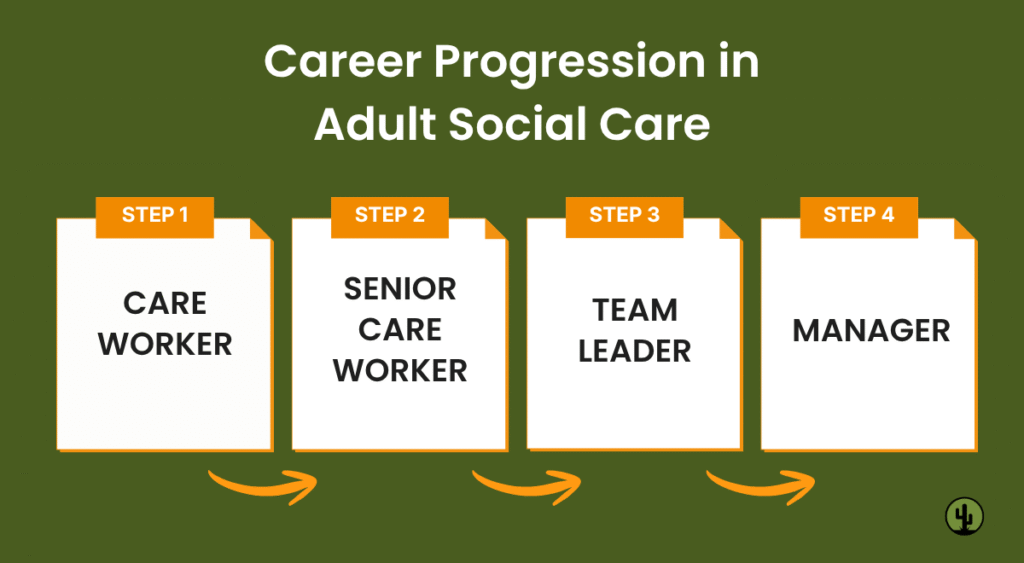
Gaining qualifications like the Level 3 Diploma in Adult Care accelerates this pathway and equips learners with both practical skills and theoretical knowledge.
Senior Care Worker Training with London Cactus College
Advancing your career in senior care starts with choosing training that genuinely supports your growth. Our CPD accredited courses in Adult Care are designed to help you progress confidently within the Health and Social Care sector.
Our Level 3 training in adult care and Level 4 adult care course give you a strong foundation for senior responsibilities. You’ll build practical skills, deepen your understanding of adult care, and deliver high-quality support aligned with Health and Social Care standards.
If you’re aiming for leadership, our Level 5 training in care management helps you develop the skills needed to guide teams, coordinate services, and oversee day-to-day operations within the wider Health and Social Care environment.
All our courses are created with adult learners in mind. With flexible study options and support from experienced assessors, you can upskill at your own pace while balancing work, family, or other commitments. You’ll gain the confidence, competence, and professional recognition needed to move forward in your career.
Final Thoughts
Becoming a senior care worker is a rewarding journey that blends skill, responsibility, compassion, and opportunity. With the right experience, training, and qualifications, you can grow into a role that truly makes a difference, supporting clients, guiding teams, and shaping the future of care. This career path offers both professional growth and personal fulfilment at every step.
Senior Carer FAQs